.png)
June 8, 2026
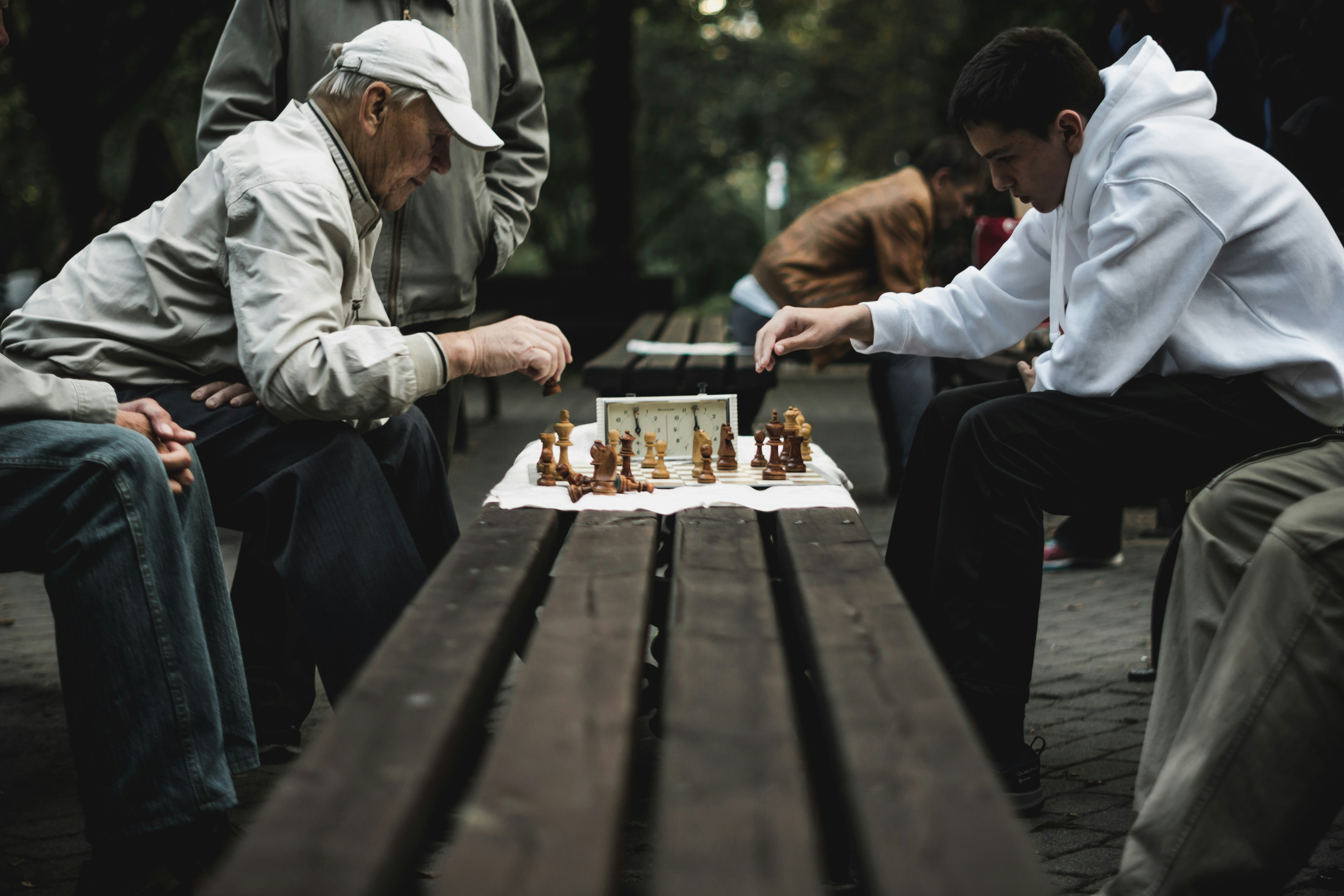
Chess is unique among board games because every move is made against the clock.
Time creates pressure.
In theory, a player could spend hours calculating every possible variation and searching for the perfect move. In reality, the clock keeps ticking. Decisions must be made before time runs out.
This is where preparation becomes visible.
The player who has studied, practiced, and analyzed thousands of positions can rely on trained intuition when the pressure rises. Their choices are not random—they are shaped by experience, pattern recognition, and disciplined thinking.
Life operates in much the same way.
We rarely have unlimited time to deliberate. Responsibilities demand action. Deadlines approach. Unexpected situations arise. Waiting for perfect certainty is often not an option.
Those who have developed strong decision-making habits tend to respond calmly and effectively. Those who have not may become overwhelmed by pressure.
Chess trains this skill every time a player sits down at the board.
Players learn to manage resources—not only pieces and pawns, but also time itself. They discover when to think deeply, when to trust their judgment, and how to balance speed with accuracy.
Time management is not just a competitive advantage in chess. It is a valuable life skill.
Learning to allocate attention wisely, avoid unnecessary distractions, and act decisively when needed are habits that develop through repeated exposure to meaningful pressure.
Over the board, students quickly learn that hesitation can be costly. So can impulsiveness.
Success requires balance.
The ability to remain calm under pressure, think clearly with limited time, and make confident decisions is one of the strongest indicators of personal growth and maturity.
Chess does not eliminate stress.
It teaches players how to respond to stress.
And in doing so, it helps shape character both on and off the board.
%20-%20Light.png)
Day & Knight Chess Club is a 501(c)(3) nonprofit building disciplined, strategic thinkers through chess. We make tournaments, academy training, and after-school programs accessible to every student, regardless of background.